
In Agile and Scrum project management, work is broken down into a defined hierarchy.
Pronnel Teams is a unified platform designed to manage this entire structure—from high-level Epics and Roadmaps to day-to-day Tasks and Issues.

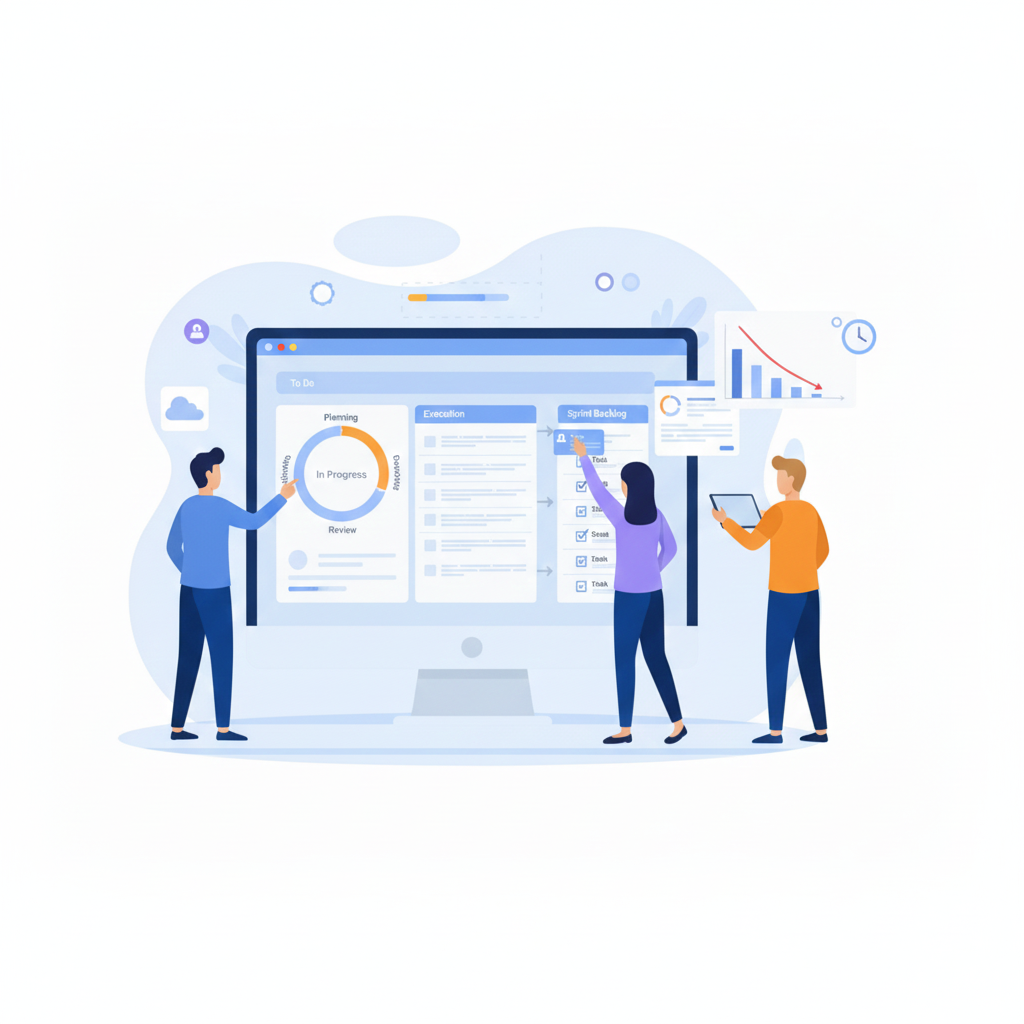
Utilize visual tools like Kanban and Scrum boards to drag and drop Stories and Tasks through customizable workflow stages, enabling iterative management and quick response to changes.
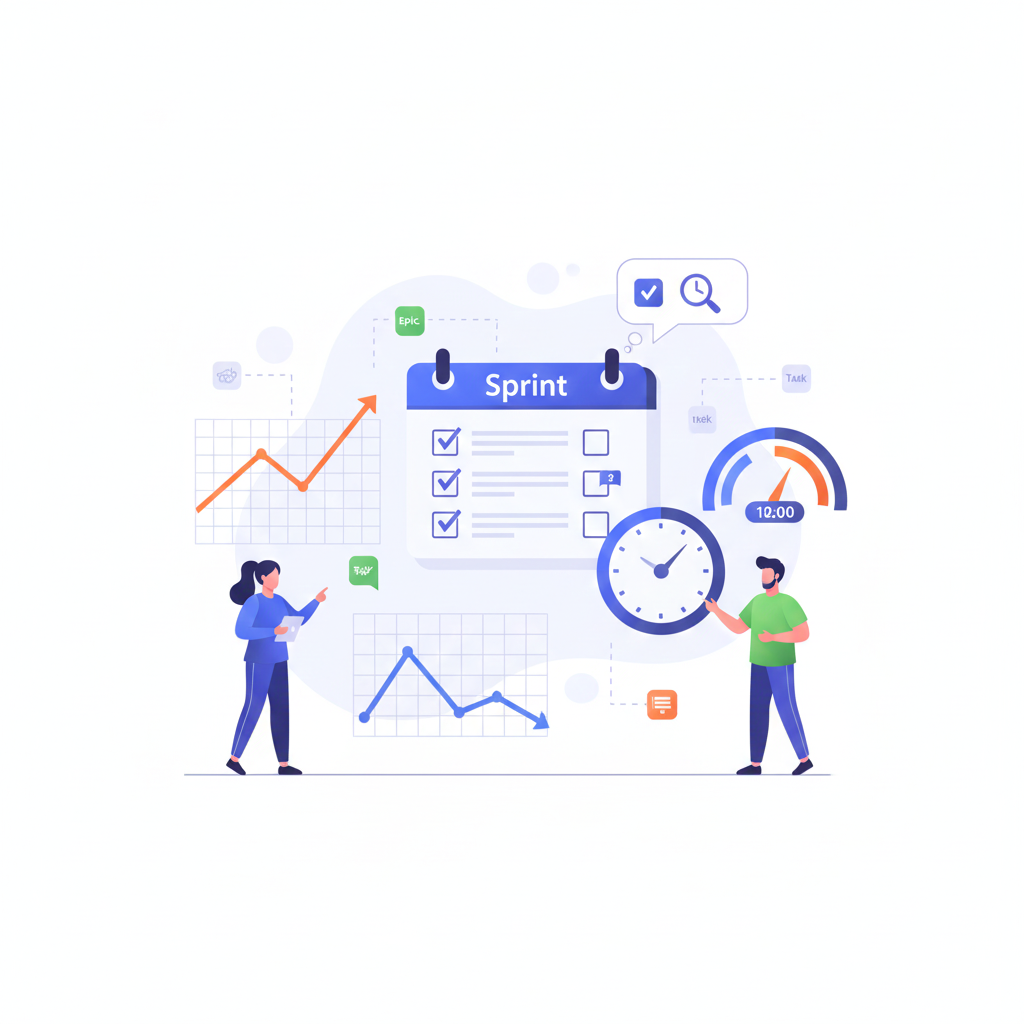
Plan, execute, and review time-boxed work periods (sprints) while tracking progress using metrics like team velocity, burnup, and burndown charts.
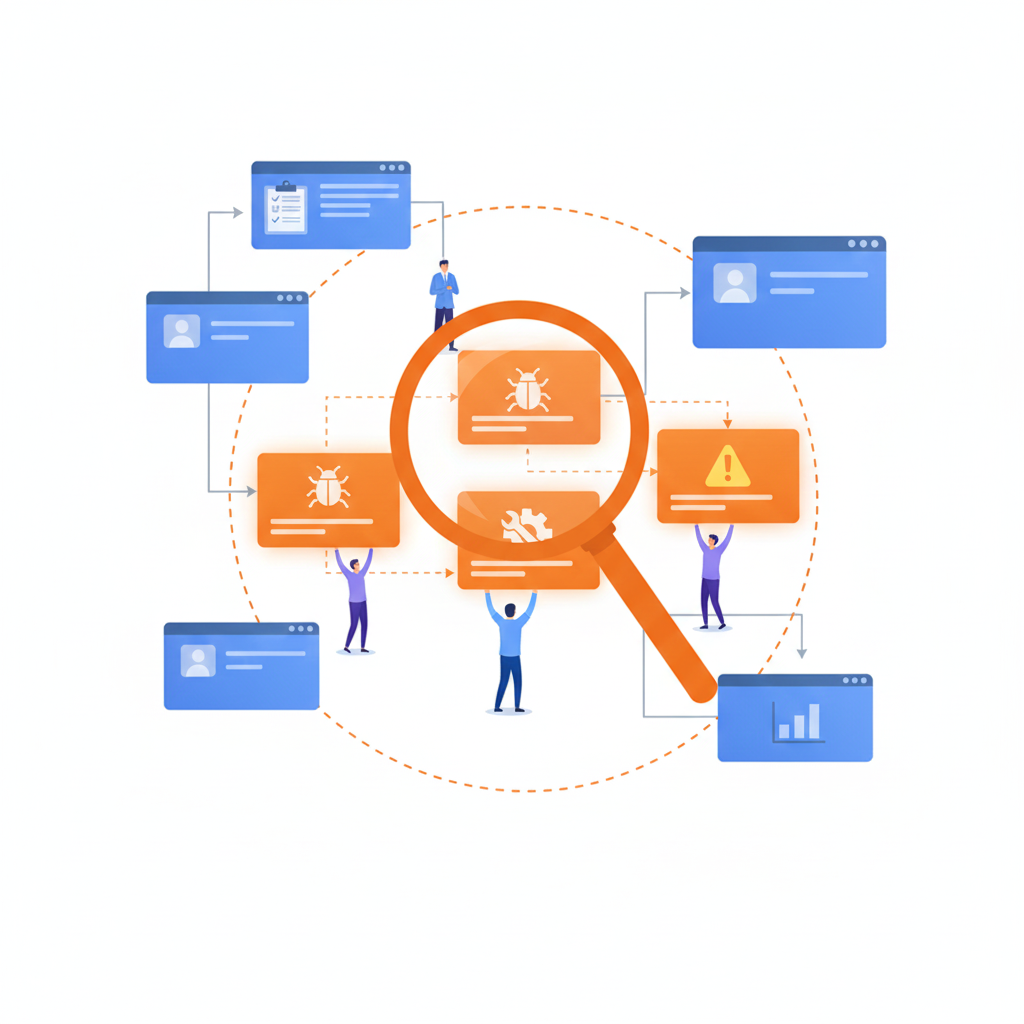
Centralize the logging, categorization, and prioritization of software bugs and technical issues so problems are rapidly assigned and resolved by the responsible team members.
Gain clear visibility into day-to-day Tasks and the Stories they belong to, ensuring work is aligned and trackable within the current sprint.
Use Epics and Roadmaps for strategic planning, prioritize Stories in the product backlog, and monitor resource allocation across teams.
See high-level progress and project health through Reporting and Dashboards on team velocity and major initiative (Epic) status.
Log, prioritize, and resolve issues and bugs efficiently while tracking status and accountability.
Plan, assign, and track project tasks with structured boards that keep teams aligned and work moving forward.
Resource Management is the strategic process of planning, scheduling, and allocating personnel to projects to meet demand, ensure a balanced workload, and prevent delays.
Manage multiple sprints simultaneously by planning, prioritizing, tracking, reviewing, and refining each sprint within defined timelines.
Define Epics as high-level objectives and place them on a Roadmap to visualize long-term initiatives.
Break Epics into user-centric Stories, prioritize the backlog, and select work for upcoming sprints.
Drive daily execution by assigning Tasks and logging Issues, all linked back to the Stories and Epics they support.
A Story represents what the user needs—a piece of user-facing value. A Task represents how the team implements that value—an engineering, design, or operational step required to complete the Story.
Typically, no. Epics are intentionally large and are meant to span multiple sprints. They are broken down into smaller Stories that can be completed within a single sprint.
Bugs are usually treated as an Issue type that exists alongside Stories and Tasks. They are often linked back to the Story or Epic where the defect was introduced, ensuring full traceability.

Sales & Marketing Manager in United Arab Emirates
A positive experience. Very feature rich. Very adaptable and configurable. You won't feel "nickle-and-dimed" from the product as pretty much everything is included.

Business Development Head in United Arab Emirates
Love the user interface and the straightforward navigation. Tailoring the CRM was effortless, thanks to the amazing customization options.

Executive Assistant in India
Ease of use and efficiency with which I could see which all tasks have been done and what is yet to do